
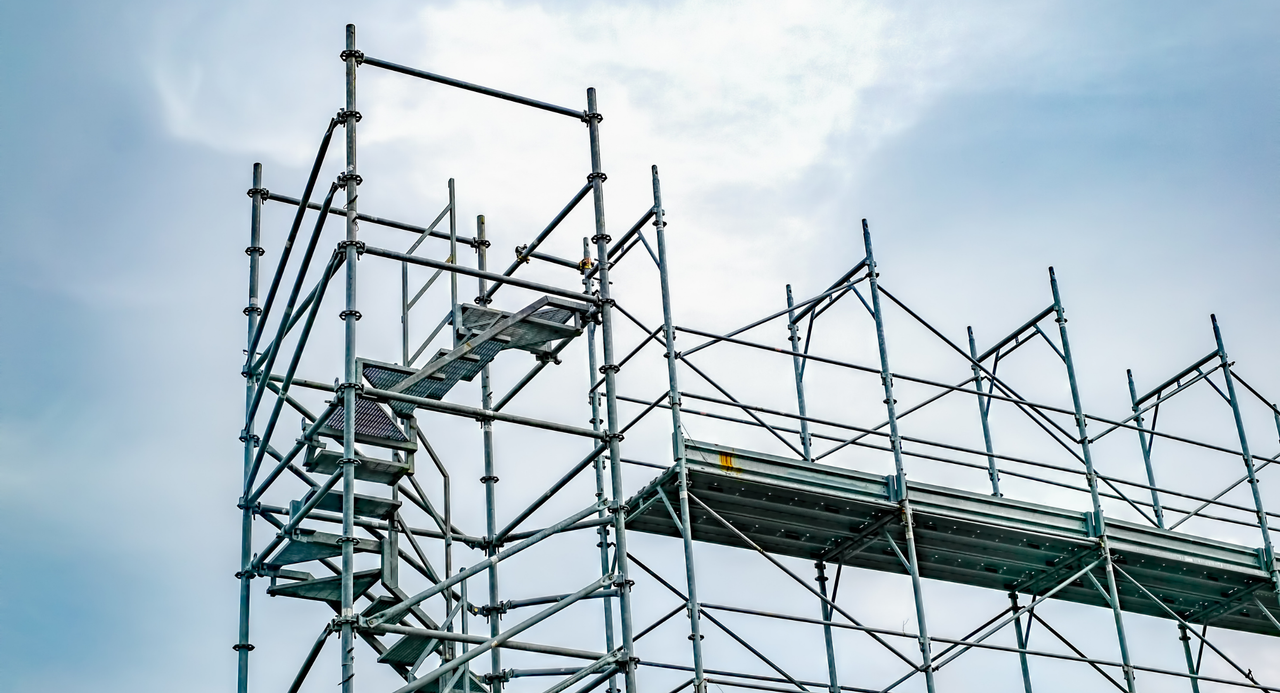
Walk onto any active construction site in Johannesburg, Cape Town, or Durban and you'll spot it almost immediately: scaffolding. It's the temporary backbone that keeps workers safe, productive, and within reach of the job at hand. But not all scaffolding is created equal, and choosing the wrong system can slow a project down or, worse, put people at risk. At Dreymar Industrial, we work with operations managers and procurement teams across South Africa to match the right scaffold to the right task. Here's our practical guide to scaffold types, uses, and safety essentials for 2026.
Key Takeaways
- Scaffolding is a temporary structure essential for worker safety and productivity on construction sites, directly affecting project timelines, labour costs, and OHS compliance across South African operations.
- Steel scaffolding delivers superior load capacity and long-term stability for heavy-duty projects, while aluminium scaffolding offers lightweight, mobile solutions ideal for indoor work and frequent repositioning.
- Core scaffolding components - standards, ledgers, transoms, bracing, base jacks, and access ladders - must all be properly assembled and maintained, as missing elements introduce avoidable safety risks.
- Daily inspections by competent personnel, proper base support, guardrails on platforms above 1.5 metres, locked castors on mobile towers, and strict load limits are non-negotiable safety practices.
- Certified scaffold erectors, inspectors, and supervisors with CETA-aligned accreditation are critical to site safety, and pairing trained people with the right scaffolding system is the foundation of efficient operations.
What Is Scaffolding and Why It Matters in Construction
So, what is scaffolding exactly? In simple terms, it's a temporary structure built to support workers, tools, and materials during construction, maintenance, or repair work at height. Think painting a warehouse ceiling, plastering an exterior wall, or installing ductwork in a factory, scaffolding makes all of that possible.
It matters because productivity and safety on site depend on it. A stable platform means tradespeople can focus on the job instead of worrying about balance or reach. For South African contractors juggling tight deadlines and strict OHS compliance, the right scaffold system isn't a nice-to-have. It's a core part of project planning, and it directly affects timelines, labour costs, and the safety record of every site we step onto.
Core Components of a Scaffolding System
A scaffold is only as good as the parts that hold it together. While designs vary, most systems share a familiar set of components:
- Standards (vertical tubes): carry the load down to the ground.
- Ledgers and transoms: horizontal members that tie the structure together and support platforms.
- Cross Brace for Steel Scaffolding: diagonal bracing that stops the frame from racking sideways.
- Base Jack for Steel Scaffolding: adjustable feet that level the scaffold on uneven ground.
- Adjustable Castor for Steel Scaffolding or Nylon Scaffold Castors: wheels for mobile towers that need to be repositioned quickly.
- 2m Access Ladder for Steel Scaffolding: safe vertical access between platform levels.
- Platforms and toe boards: the working surface and edge protection.
Get these right and the scaffold behaves predictably. Skip a brace or forget to lock a castor, and you've introduced risk that's entirely avoidable.
Common Scaffold Types Used on Modern Job Sites
There's no single scaffold that suits every job. Among the most common scaffold types we supply, two stand out for South African industrial and commercial sites: steel and aluminium. Each has its place, and the choice usually comes down to load, mobility, and how long the structure needs to stay up.
Steel Scaffolding: Strength for Heavy-Duty Projects
When the job calls for serious load capacity and long-term stability, Steel Scaffolding is usually the answer. It's the workhorse of large construction projects, plant maintenance shutdowns, and any application where heavy materials need to sit on the platform for extended periods.
Our Steel Self-Lock Scaffolding Tower is a good example, quick to assemble, robust, and engineered for repeat use across multiple sites. Steel systems handle harsh site conditions well, which makes them a sensible choice for mining, manufacturing, and infrastructure work where downtime is expensive.
Aluminium Scaffolding: Lightweight and Mobile Solutions
For indoor work, retail fit-outs, or jobs that require frequent repositioning, Aluminium Scaffolding is hard to beat. It's roughly a third of the weight of steel, which means one or two people can assemble it without specialised lifting gear.
Need to fit through a standard doorway? Narrow Span Aluminium Scaffolding is built for exactly that. And for multi-level access where ladders just won't do, an Aluminium Stairway Tower provides safer, faster movement between platforms, particularly useful when teams are carrying tools or materials up and down throughout the day.
Safety Standards and Best Practices for Scaffold Use
Scaffold-related incidents remain one of the leading causes of injury on South African construction sites, and most are preventable. The Occupational Health and Safety Act, along with the Construction Regulations 2014, sets out clear expectations for scaffold erection, inspection, and use.
A few non-negotiables we recommend on every site:
- Daily inspections by a competent person before each shift, with findings recorded.
- Proper base support, never skip the base plates or jacks, even on concrete.
- Guardrails and toe boards on any platform above 1.5 metres.
- Locked castors whenever workers are on a mobile tower.
- Load limits respected; overloading is a common and dangerous shortcut.
- No climbing the frame: use the access ladder fitted for the purpose.
Good habits compound. A site that treats scaffold safety as routine, not an afterthought, sees fewer incidents and fewer delays.
Scaffolding Education, Training, and Certification Pathways
Equipment alone doesn't keep people safe, trained people do. In South Africa, scaffold erectors, inspectors, and supervisors must hold accredited qualifications, typically through CETA-aligned training providers. Common pathways include Scaffold Erector (basic, intermediate, advanced), Scaffold Inspector, and Team Leader courses.
For procurement and operations teams, understanding the basics helps you ask better questions when specifying equipment or auditing a supplier. That's why we maintain a dedicated scaffolding education resource covering product specs, configurations, and selection guidance.
Our take? Pair certified people with the right gear, and you're already most of the way to a safer, more efficient site. If you're weighing up a new scaffold purchase or rental, talk to our team, we'll help you match the system to the job, not the other way round.
Frequently Asked Questions About Scaffolding
What is scaffolding and why is it important in construction?
Scaffolding is a temporary structure that supports workers, tools, and materials during construction or maintenance work at height. It's crucial because it provides a stable platform that improves productivity and ensures worker safety, while helping contractors meet tight deadlines and comply with South African OHS regulations.
What are the main components of a scaffolding system?
Core scaffolding components include vertical standards (tubes), horizontal ledgers and transoms, cross-bracing, base jacks, castors for mobility, access ladders, and platforms with toe boards. Each component plays a vital role in ensuring the structure is stable and safe for workers.
What's the difference between steel and aluminium scaffolding?
Steel scaffolding offers superior load capacity and long-term stability, making it ideal for heavy-duty projects, mining, and manufacturing. Aluminium scaffolding is lightweight (about one-third the weight of steel), easier to assemble, and better suited for indoor work, retail fit-outs, and frequent repositioning.
What are the most important scaffolding safety practices on construction sites?
Critical safety practices include daily inspections by competent personnel, proper base support using plates and jacks, installing guardrails and toe boards above 1.5 metres, locking castors on mobile towers, respecting load limits, and using designated access ladders instead of climbing the frame.
How often should scaffolding be inspected on a construction site?
Scaffolding must be inspected daily by a competent person before each shift begins, with findings recorded. This routine inspection helps identify potential hazards early and ensures the structure remains safe throughout the project, reducing incidents and delays.
What qualifications do scaffold erectors and inspectors need in South Africa?
In South Africa, scaffold erectors, inspectors, and supervisors must hold accredited qualifications through CETA-aligned training providers. Common certifications include Scaffold Erector (basic, intermediate, advanced), Scaffold Inspector, and Team Leader courses to ensure competency and site safety.