
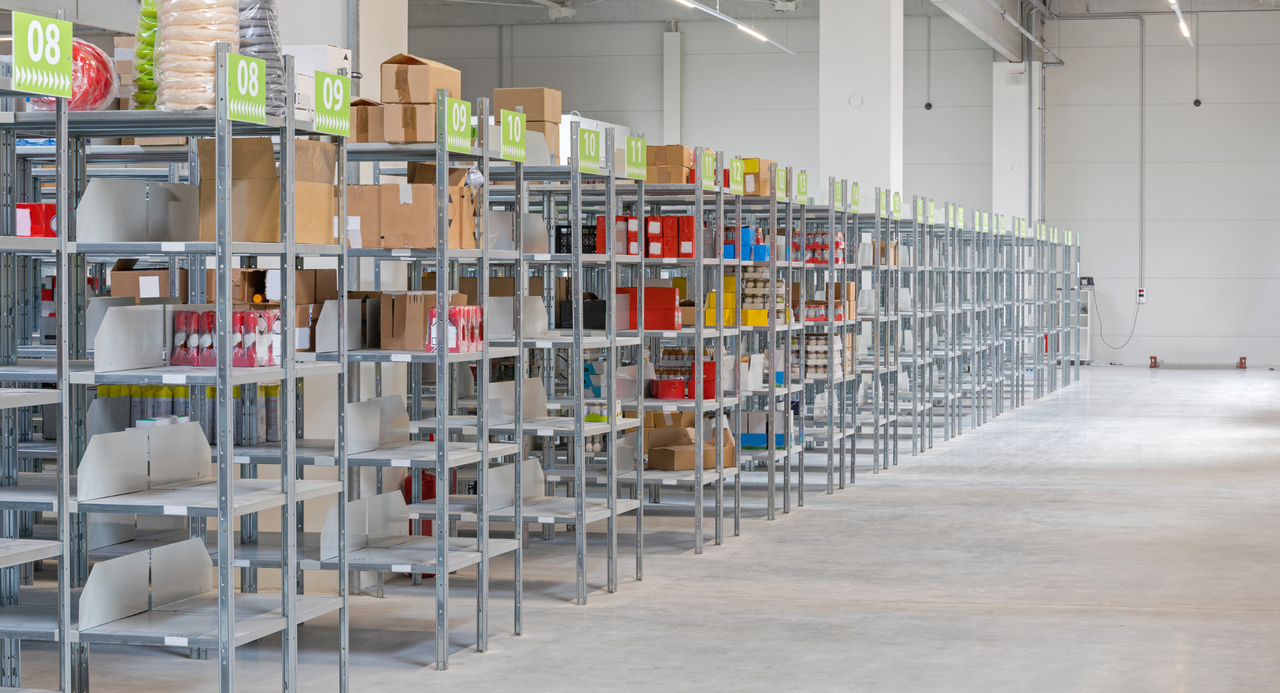
Choosing the right industrial shelving isn't just a procurement decision; it's an operational one. Get it wrong and you're battling wasted floor space, slow picking times, and safety risks for years. Get it right and your warehouse runs like it should. At Dreymar Industrial, we've spent years helping South African operations managers and procurement teams across manufacturing, retail, and logistics sort through the noise. This guide walks you through what matters when buying industrial shelving in 2026, from material selection and load capacity to layout planning and long-term upkeep.
Key Takeaways
- Industrial shelving is engineered for higher load ratings, modular expansion, and daily use - unlike standard storage units that buckle under warehouse demands.
- Choose between steel, stainless steel, pallet racking, and specialised systems based on your environment; stainless steel excels in food, pharmaceutical, and marine settings where corrosion resistance is critical.
- Load capacity calculations must account for uniformly distributed weight, point loads, and a 20% safety margin - never rely on a single corner dump or guesswork.
- Layout efficiency depends on aisle width matching your handling equipment: narrow aisles need 1.5 m, while counterbalance forklifts require 3.5 m or more.
- Professional installation, monthly inspections, clear load labelling, and proper maintenance logs are essential to prevent collapses and maximise the lifespan of your industrial shelving system.
- Request detailed spec sheets from suppliers covering steel gauge, beam connection type, shelf adjustability, finish, and SANS compliance before making a purchase decision.
What Sets Industrial Shelving Apart From Standard Storage
Standard shelves work fine for a home garage or a small office. But once you're dealing with stock turnover, heavy components, or bulk inventory, those units buckle, sag, and become a liability fast.
Industrial shelving & storage systems are built differently. They're engineered for higher load ratings, modular expansion, and constant daily use in environments like warehouses, factories, workshops, and cold rooms. Frames are usually cold-rolled or hot-rolled steel, fasteners are rated for shear loads, and beams are designed to flex predictably rather than fail.
The other big difference? Customisation. A proper industrial system is sized to your stock, your aisles, and your handling equipment, not the other way around. That's where a tailored approach makes a real difference to throughput.
Common Types of Industrial Shelving and Racking Systems
There's no single "best" system, it depends on what you store and how often you move it. Here are the main options we install across South Africa:
- Steel Shelving, versatile, bolt-together units for parts, boxes, and general stock.
- Gondola Shelving, retail-focused, double-sided units for shop floors.
- Bulk Filers, archive and document storage.
- PVC Shelving, corrosion-resistant, ideal for wet or chemical areas.
- Wall Band Shelving, space-saving wall-mounted options.
- Drey-Lite Longspan Racking, for medium-weight, hand-loaded stock.
- Drey-Rack Pallet Racking, Cantilever Racking, Drive-In Racking, Push Back Racking, and Carton & Pallet Flow Racking, for high-density pallet operations.
Steel vs. Stainless Steel Shelves: Choosing the Right Material
Mild steel with a powder-coated finish handles most dry storage just fine, and it's the most cost-effective option if you're shopping for steel shelving for sale. It resists scuffs, holds heavy loads, and lasts for decades in normal conditions.
Stainless steel shelves are the go-to for food processing, pharmaceutical, hospital, and marine environments. They handle washdowns, acidic cleaners, and humidity without corroding. Yes, they cost more upfront, but in the right setting they pay back through hygiene compliance and a longer service life.
Industrial Pallet Racking for High-Volume Warehouses
If you're moving pallets daily, you need industrial pallet racking rather than basic shelves. Selective racking gives you direct access to every pallet, drive-in maximises density for similar SKUs, and push-back or flow systems work well for FIFO or LIFO stock rotation. The right choice depends on SKU variety, throughput, and the forklifts you run.
How to Calculate Load Capacity and Plan Your Layout
Load capacity isn't a guess. Before we quote any system, we look at three numbers: weight per item, items per shelf, and load distribution.
A shelf rated at 200 kg UDL (uniformly distributed load) won't carry 200 kg dumped in one corner, that's a point load and it'll bend. Always plan for even spread, and add a safety margin of around 20% to your calculated maximum.
For layout, start with what moves fastest. Place high-turnover stock at waist height near dispatch, slow-movers up high, and bulk pallets on the floor or in racking. Aisle width should match your handling equipment, narrow aisle picking trolleys need around 1.5 m, while counterbalance forklifts need 3.5 m or more. Skip this step and you'll waste 20–30% of usable floor area.
Key Features to Look For When Buying Steel Shelving
Not all shelving is built the same, even when it looks identical in a catalogue. When comparing options, check the following:
- Gauge of steel, lower gauge numbers mean thicker, stronger material.
- Beam connection type, bolted is rigid, boltless is faster to assemble and reconfigure.
- Shelf adjustability, pitch increments of 25–50 mm give you flexibility as stock changes.
- Finish, powder coating resists chips better than spray paint.
- Load rating per shelf and per bay, both should be clearly stated by the supplier.
- Compliance, locally manufactured units that meet SANS standards are a smart choice for South African operations.
Ask for a spec sheet. A reputable supplier will hand one over without hesitation, and that single document tells you more than any sales pitch.
Installation, Safety, and Long-Term Maintenance Tips
Even the best shelf rack underperforms if it's installed poorly. We always recommend professional installation for racking over 2.5 m or anything carrying pallet loads, the cost is small compared to the risk of a collapse.
A few practical habits that extend the life of your system:
- Inspect monthly. Check for bent uprights, missing safety pins, and loose bolts. Damaged frames should be flagged and replaced, not patched.
- Protect the base. Column guards and end-of-aisle barriers stop most forklift impacts.
- Label load limits clearly. Staff shouldn't have to guess how much weight a bay can take.
- Anchor to the floor where the manufacturer specifies, especially for taller bays.
- Keep a maintenance log. It helps with insurance and audits, and catches recurring issues early.
Good housekeeping around the racks matters too. Clear aisles, controlled pallet quality, and trained operators do more for longevity than any anti-collapse mesh ever will.
Ready to scope your next project? Our team can survey your site, model load and layout requirements, and recommend a system that fits your operation, not a generic catalogue solution. That's what we do every day, and it's why South African businesses keep coming back to Dreymar Industrial for storage that actually works.
Frequently Asked Questions About Industrial Shelving
What is the main difference between industrial shelving and standard storage shelves?
Industrial shelving is engineered for higher load ratings, modular expansion, and constant daily use in warehouses and factories. Unlike standard shelves, industrial systems use cold-rolled or hot-rolled steel, have fasteners rated for shear loads, and can flex predictably rather than fail under heavy loads.
How do I calculate the correct load capacity for industrial shelving?
Calculate load capacity by determining weight per item, items per shelf, and load distribution. A shelf rated at 200 kg UDL (uniformly distributed load) requires even weight spread - point loads will cause bending. Always add a 20% safety margin to your calculated maximum load.
When should I choose stainless steel over mild steel for industrial shelving?
Choose stainless steel for food processing, pharmaceutical, hospital, or marine environments where washdowns, acidic cleaners, and humidity are present. While more expensive upfront, stainless steel provides hygiene compliance and longer service life in corrosive conditions.
What are the most common types of industrial racking systems for warehouses?
Common types include steel shelving for general stock, gondola shelving for retail, pallet racking for bulk operations, cantilever racking for long items, drive-in racking for high-density storage, and push-back or flow racking for FIFO/LIFO rotation.
How often should industrial shelving systems be inspected and maintained?
Inspect monthly for bent uprights, missing safety pins, and loose bolts. Protect column bases with guards, label load limits clearly, maintain anchor points, and keep detailed maintenance logs. Professional installation is recommended for systems over 2.5 m or carrying pallet loads.
What layout considerations improve warehouse efficiency with industrial shelving?
Place high-turnover stock at waist height near dispatch, slow-movers higher up, and bulk pallets on the floor. Aisle width should match your equipment: narrow trolleys need 1.5 m, counterbalance forklifts need 3.5 m or more. Poor layout can waste 20–30% of usable floor area.