
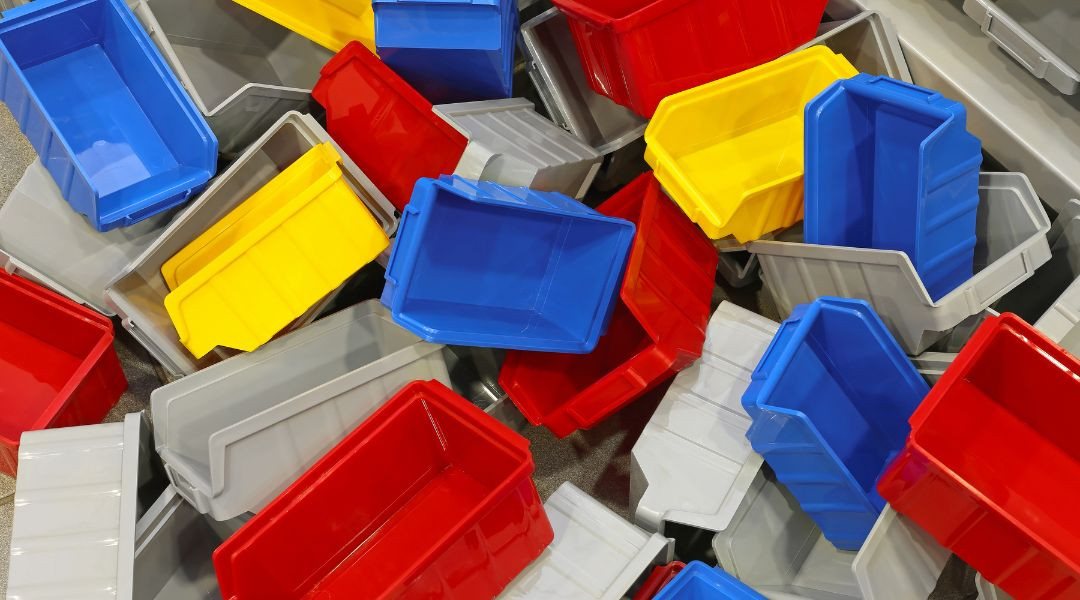
Johannesburg sites don’t have the luxury of “we’ll sort it out later.” Stock turns fast. Space gets tight. Teams change shifts. And if your storeroom is messy, it doesn’t stay a small problem, it becomes a downtime problem.
That’s why Bins matter more than people think.
Not the flimsy, random tubs that appear over time. I’m talking about a planned system: labelled, stackable, cleanable, and easy to count. The kind of setup that makes a warehouse supervisor breathe easier at month-end stocktake, and makes a maintenance manager stop swearing under their breath when they need a part right now.
If you’re sourcing industrial Bins for a factory, warehouse, mine, hospital, hotel group, or a commercial property portfolio in Joburg, you’re in the right place. Dreymar Industrial supplies the bin systems that keep operations tidy, fast, and compliant, without turning your store into a museum display.
Johannesburg’s pace is brutal, so your storage has to be simple
Here’s the thing. In Gauteng, the pressure comes from all angles: short lead times, high SKU counts, constant replenishment, and those “just quickly” requests from production that are never quick.
A well-specced bin system helps you:
- reduce picking time (less walking, less searching)
- prevent shrinkage (less “mystery stock”)
- improve hygiene and safety (especially in FMCG and healthcare)
- standardise layout across multiple sites (big win for property groups)
It’s not glamorous, but it’s powerful. Like good racking or a decent pallet jack, you only notice it when it’s missing.
So what counts as the “right” bin system?
You don’t need a fancy setup. You need a consistent one.
A solid industrial bin plan usually covers:
- segmentation: fast movers close, slow movers further away
- visual control: labels, colour coding, clear bin fronts
- stack logic: stable stacking that won’t collapse when someone grabs a bin mid-stack
- cleaning routine: bins that can be wiped down easily, and won’t trap grime
- replenishment rhythm: min-max levels, two-bin methods, or kanban cards (simple but effective)
And yes, this applies to mines and steel sites too. Dust and heavy handling just mean you spec tougher and plan smarter.
Bin types that actually work on real sites (not just on paper)
Small parts, fast picking: Lin Bins
If your site holds bolts, washers, fittings, electrical connectors, pneumatic bits, bearings, or small spares, Lin Bins are usually the backbone.
They’re made for:
- picking lines and workshop stores
- maintenance cages
- tool crib environments
- assembly stations where speed matters
And honestly, they’re like biltong for stores teams: once you have them, you wonder how you lived without them.
Bulkier items and WIP: Tote Bins
When you’re moving parts between stations, managing work-in-progress, or consolidating orders, Tote Bins keep things neat and portable.
They suit:
- FMCG production lines (component staging)
- dispatch consolidation
- returns handling
- kitting for maintenance shutdowns
Totes also shine when you want repeatable processes. Same bin size, same label position, same stacking pattern. Less chaos.
Front-facing access on racks: Shelf Bins
If you’ve got shelving or long runs of storage where you want easy access without pulling bins out, Shelf Bins are a good fit.
They work well for:
- storerooms with frequent picks
- medical stores and clean areas (where neatness matters)
- spare parts rooms in hotels and large facilities
They’re also great when you’re training new staff. People can see what belongs where. That’s half the battle.
Visual organisation on walls: Linbin Panels
Some stores are short on floor space, but they’ve got plenty of wall space. That’s where Linbin Panels come in.
Think:
- maintenance workshops
- technicians’ bays
- quality control stations
- small tools and consumables near the work area
A panel system feels almost like a kitchen spice rack for industry. Everything visible. Everything reachable. Much less “who took the last one?”
Waste management and site hygiene: Wheelie Bins
On industrial sites, waste handling isn’t just a cleaning issue. It affects safety, pest control, and compliance.
Wheelie Bins are ideal for:
- packaging waste in FMCG
- general refuse for facilities teams
- controlled waste points in hospitals and hotels
- site-wide waste stations in yards and loading areas
And yes, even steel and mining environments benefit from proper waste segregation. It cuts risk. It improves housekeeping. It keeps audits calmer.
Handling and storing goods: Plastic Crates
For distribution, picking, back-of-house operations, and general storage, Plastic Crates are a workhorse.
They’re often used for:
- inbound sorting
- dispatch staging
- parts storage where stacking strength matters
- hospitality back rooms (linen, consumables, supplies)
A practical note: crates often bridge the gap between “storage” and “handling.” If your team is physically moving items daily, crates can reduce damage and mess.
“But we already have bins…” (the gentle trap)
This is where many sites get caught.
You might already have a mix of tubs, old boxes, random crates, and a few proper bins. Technically, it’s storage. But operationally, it’s a mess.
A standardised bin system helps you:
- keep consistent label formats (SKU, description, min-max)
- reduce training time for new staff
- improve cycle counting accuracy
- make layout changes easier (because everything fits the same logic)
So yes, you might already have bins. But do you have a system? That’s the difference.
What Johannesburg buyers usually care about (and why they’re right)
Let me explain what typically comes up with procurement teams and ops managers in Joburg:
1) Durability vs cost
You want bins that last, because replacing broken bins is annoying, but you also don’t want to overspend. Fair. The trick is matching the bin type to the handling intensity.
2) Lead time and repeatability
If you’re rolling out a standard across multiple sites, you need consistency. The same bin needs to be available again later, not “something similar.”
3) Hygiene and cleaning
Hospitals and FMCG especially need bins that don’t trap dirt and can be cleaned fast. No drama, just wipe and move on.
4) Space
Joburg storerooms are often under pressure. You might be expanding production but your stores room stays the same size. That’s when panels, shelving bins, and proper stacking earn their keep.
Serving Joburg, and keeping things consistent across SA
If you’re managing more than one facility, it helps to keep the bin setup consistent across regions. Dreymar supports rollouts and supply across major centres, including:
- Bins in Pretoria for government, healthcare, and industrial parks
- Bins in Cape Town for logistics, food production, and hospitality groups
- Bins in Durban for port-linked distribution and manufacturing
- Bins in Mbombela (Nelspruit) for agricultural supply chains and regional industry
- Bins in Gqeberha (Port Elizabeth) for automotive-linked suppliers and factories
- Bins in Bloemfontein for central distribution and mixed industrial operations
- Bins in East London for manufacturing and regional warehousing
- Bins in Pietermaritzburg for inland KZN sites and support facilities
And if your footprint stretches further, setups are commonly planned with buyers who also need Bins in Polokwane and Bins in Centurion as part of a broader roll-out.
For national buyers who want one supplier and one standard, it’s also worth viewing Bins in South Africa as a category page to keep specs consistent across provinces.
A practical spec checklist (so you don’t overthink it)
If you’re ordering bins for a Johannesburg site, here’s a quick checklist that keeps the process clean:
- What are you storing?
Small parts, bulk items, WIP, consumables, waste, or dispatch goods? - How often is it touched?
Once a week, or twenty times a day? Handling frequency drives the choice. - Where will it live?
On shelving, on racks, on panels, on the floor, on trolleys, near production? - Do you need labels and scanning?
If you’re using barcodes or QR codes, make sure the label area stays visible and doesn’t scuff easily. - Are you standardising across sites?
If yes, choose fewer bin types and stick to the plan. Consistency beats variety.
The quiet ROI: time saved, stress saved, audits smoother
A bin system is one of those “small hinge swings big door” investments. You won’t always see it on day one, but you’ll feel it:
- fewer missing items
- faster picks
- cleaner work areas
- calmer handovers between shifts
- easier stock control
And if you’re in a hospital group or FMCG environment, it can support hygiene routines and reduce contamination risks. If you’re in mining or steel, it can improve housekeeping and reduce trip hazards and clutter. Different sectors, same underlying win: control.
Where Dreymar fits in
Dreymar Industrial supplies bin solutions built for real operations, not showroom perfection. Whether you’re setting up a new stores area in Johannesburg, upgrading a maintenance cage, cleaning up a dispatch zone, or standardising across provinces, the goal is the same: keep parts organised, keep people moving, keep downtime low.
Start with Bins in Johannesburg, then map the bin types that match your workflow: Lin Bins for small parts, Tote Bins for movement and WIP, Shelf Bins for easy access, Linbin Panels for wall space, Wheelie Bins for waste control, and Plastic Crates for handling and stacking.
If you want, treat your bins like you treat your racking layout: planned, repeatable, and built to cope with busy days. Because in Johannesburg, busy days are basically every day.