
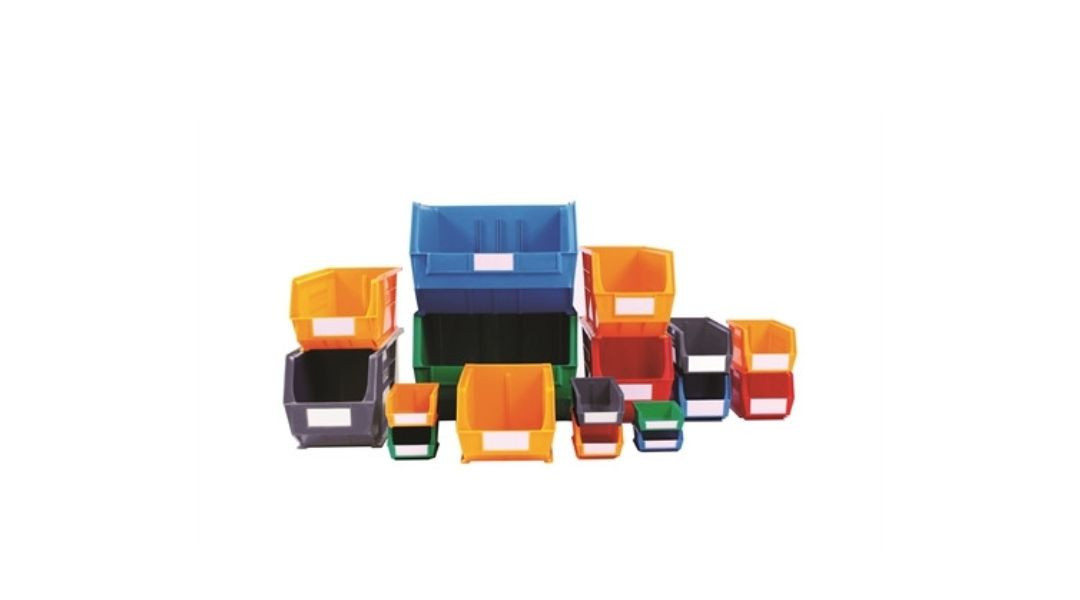
Pretoria has a certain flavour. It’s got serious industry, but it also has a lot of structured operations: industrial parks, depots, facilities teams, and organisations where compliance, neatness, and repeatable processes matter. You can’t really “make a plan” forever. Eventually someone audits, someone inspects, or someone important walks through the stores.
That’s where Bins come in, quietly doing the hard work.
A proper bin system isn’t about being fussy. It’s about keeping stock visible, reducing search time, and making sure the right items show up at the right moment. If you’re buying for factories, warehouses, mines, hospitals, hotel groups, commercial property groups, or industrial businesses like steel manufacturers and suppliers, you’ll know exactly why that matters.
Dreymar Industrial supplies industrial Bins across Pretoria and greater Gauteng, with bin options that suit real operational conditions, not just a tidy storeroom photo.
Pretoria buyers usually want two things: order and speed
Here’s the thing. In many Pretoria operations, procurement and operations work closely, sometimes a bit too closely. You’ve got policies, processes, and approvals, but you also have real-world urgency from the floor.
So a good bin system has to deliver:
- a cleaner, more controllable stores environment
- faster issuing and picking
- predictable replenishment
- easier training for new staff
- better audit readiness
And the funny part? You don’t need fancy tech to get those outcomes. You need consistent bins, clear labels, and a layout that makes sense.
What a good bin system does (beyond “storage”)
If you’re running stores, you’re not just storing parts. You’re supporting uptime.
A strong bin setup helps you:
- reduce downtime caused by missing small parts
- improve cycle counting and stock accuracy
- support lean stores and visual management
- reduce clutter (and the safety issues that come with it)
- maintain hygiene in sensitive environments
That last one is big for hospitals, FMCG, and hospitality. Clean storage is part of the job, not a bonus.
Picking the right bins for Pretoria sites (simple logic, solid results)
Let me explain it without the fluff: match the container to the workflow.
Small parts and spares: Lin Bins
If you stock bolts, nuts, fittings, electrical connectors, bearings, seals, or those “tiny but critical” spares, Lin Bins are usually the backbone.
They’re perfect for:
- maintenance stores and cages
- workshops and technician bays
- production replenishment stations
- spares stores supporting industrial facilities
Quick digression, because it’s true: most operational delays don’t start with big failures. They start with small items being misplaced. Lin bins make small items hard to ignore.
Kitting, WIP, and internal movement: Tote Bins
If your teams are building kits for planned maintenance, moving components between stations, staging dispatch orders, or managing returns, Tote Bins keep items together and easy to carry.
They work well for:
- shutdown kits and job packs
- dispatch consolidation
- returns and rework lanes
- FMCG production staging
Totes also support repeatability. Same container. Same label spot. Same stacking. Less chance for “temporary storage” becoming permanent clutter.
Shelving and quick access: Shelf Bins
For high-pick storerooms, facilities stores, and environments where items need to stay visible, Shelf Bins keep access simple.
They’re commonly used in:
- storerooms with frequent issuing
- healthcare supply areas
- hotel and building maintenance rooms
- commercial property facilities operations
Shelf bins also help with staff changes. People can walk in and understand where things go.
Wall-based organisation: Linbin Panels
If you want to use wall space for consumables and frequently used items, Linbin Panels are a clean, visual solution.
Great for:
- workshops and bays
- inspection points
- assembly benches
- tools and consumables near the work area
It’s like a pegboard for parts. You can see what’s missing immediately, which makes reordering easier.
Waste and hygiene control: Wheelie Bins
Waste is often the first thing people notice when it’s not managed well. Especially in facilities with public-facing areas, healthcare settings, and large property portfolios.
Wheelie Bins support:
- packaging waste in warehousing and FMCG
- general refuse for industrial sites
- controlled waste points for hospitals and hospitality
- yard and loading bay waste stations
A clean waste system reduces pest risk, slip risk, and unpleasant “why is this overflowing?” conversations.
Handling and stacking goods: Plastic Crates
If your team moves stock daily, not just stores it, Plastic Crates are a dependable workhorse.
They’re often used for:
- inbound sorting
- dispatch staging
- stable stacking for heavier items
- back-of-house storage (hospitality, facilities, mixed supplies)
Crates keep items contained and stackable. That’s a simple but powerful operational advantage.
“We already have bins” (and still, the storeroom feels chaotic)
This is common in Pretoria, especially where sites have expanded over time.
A store might have random tubs, cartons, old containers, and a handful of proper bins. Technically, storage exists. But the system isn’t consistent, and inconsistency is where mistakes live.
Here’s the mild contradiction: you don’t always need more bins, you need fewer types and clearer rules.
A simple system usually includes:
- consistent bin families and sizes
- clear labelling (SKU, description, min-max, location)
- fixed locations (so stock doesn’t migrate)
- a replenishment method (two-bin or min-max)
- a returns or quarantine area (so returns don’t mess up the whole room)
Once those pieces are in place, the bin system starts working even when the site is busy.
Layout tips that work well for Pretoria operations
Because Pretoria sites often value neatness and repeatability, layout matters more than people admit.
A few practical moves:
- keep fast movers near issuing or dispatch
- group items by task (electrical, mechanical, cleaning) rather than by supplier
- set up a kitting bench with totes for job packs
- use wall panels near benches for consumables
- create a dedicated returns lane (returns are where systems go sideways)
And if you manage multiple sites, standardise the layout where you can. It reduces training time and improves consistency across teams.
Serving Pretoria and supporting multi-site procurement
Many buyers who order in Pretoria also manage other facilities across the country. Dreymar supports major centres, including:
- Bins in Johannesburg for high-volume operations
- Bins in Cape Town for logistics, food production, and hospitality groups
- Bins in Durban for KZN warehousing and port-linked supply chains
- Bins in Mbombela (Nelspruit) for regional operations and agricultural supply
- Bins in Gqeberha (Port Elizabeth) for Eastern Cape manufacturing and support
- Bins in Bloemfontein for central distribution
- Bins in East London for manufacturing support and warehousing
- Bins in Pietermaritzburg for inland KZN facilities
For national standardisation and consistent spec reference, use Bins in South Africa as the main category anchor.
And for Gauteng roll-outs, many procurement teams plan Pretoria supply alongside Bins in Centurion and Bins in Polokwane depending on their footprint.
A quick spec checklist (so you can order cleanly)
Before you place your order, answer these five questions:
- What are you storing: small parts, bulk items, WIP, waste, or dispatch goods?
- How often is it handled: daily picks or occasional access?
- Where will it live: shelves, racks, walls, cages, trolleys?
- Do you need labels or scanning: barcode, QR, or simple tags?
- Are you standardising across sites: yes or no?
Once those are clear, selecting bins becomes quick and straightforward.
Ready to get your storage under control?
If your storeroom is cluttered, slow, or inconsistent, don’t aim for perfect. Aim for repeatable. That’s what holds up in real operations.
Start with Bins in Pretoria and build a system using proven categories: Lin Bins for small parts, Tote Bins for kitting and movement, Shelf Bins for quick-access shelving, Linbin Panels for wall organisation, Wheelie Bins for waste control, and Plastic Crates for handling and stacking.
Because when the store runs well, everything else feels easier. And in Pretoria, where neat operations and accountability matter, that’s exactly the point.